2026 Best Natural Gas Boiler Which Type to Buy?
Choosing the best Natural Gas Boiler for 2026 is not simply about buying the highest-efficiency model. Your home, heating demand, water pressure, fuel costs, and installation conditions all matter.
Heating industry expert Mike Foster has said, “The most efficient boiler is the one that is correctly sized, installed, and maintained.” This practical point deserves attention. A powerful boiler may look impressive, yet it can cycle frequently in a small, well-insulated home. That wastes energy and may shorten component life.
For many households, a modern condensing combi boiler remains convenient. It heats water directly and usually needs less space. However, hot-water performance can weaken when several taps run together. A system boiler with a cylinder may suit larger families, especially where bathrooms operate simultaneously. Older homes with traditional tanks may need a regular boiler, although the required pipework and storage space can increase costs.
The “best” option is rarely universal.
This guide compares these Natural Gas Boiler types using efficiency, capacity, controls, maintenance, noise, installation complexity, and expected running costs. It also considers practical details, such as radiator temperatures, flue positioning, condensate drainage, and annual servicing.
Some recommendations may change after a professional heat-loss survey. That is an important limitation. Online size calculators can provide useful estimates, but they cannot fully inspect insulation gaps, room layouts, or existing pipework.
A reliable choice should deliver steady warmth, safe operation, and sensible long-term value. Brand reputation helps, but installer competence may matter even more. In 2026, careful sizing and verified credentials should guide the purchase, not marketing claims alone.
Natural Gas Boiler Basics and Main System Types
2026 Best Natural Gas Boiler: Which Type to Buy?
A natural gas boiler burns fuel to heat water for radiators, underfloor loops, or household taps. Modern condensing models recover heat from exhaust vapor. This improves efficiency, but only when the system is sized and installed correctly. An oversized boiler may cycle repeatedly, waste fuel, and create uneven room temperatures. Bigger is not automatically better.
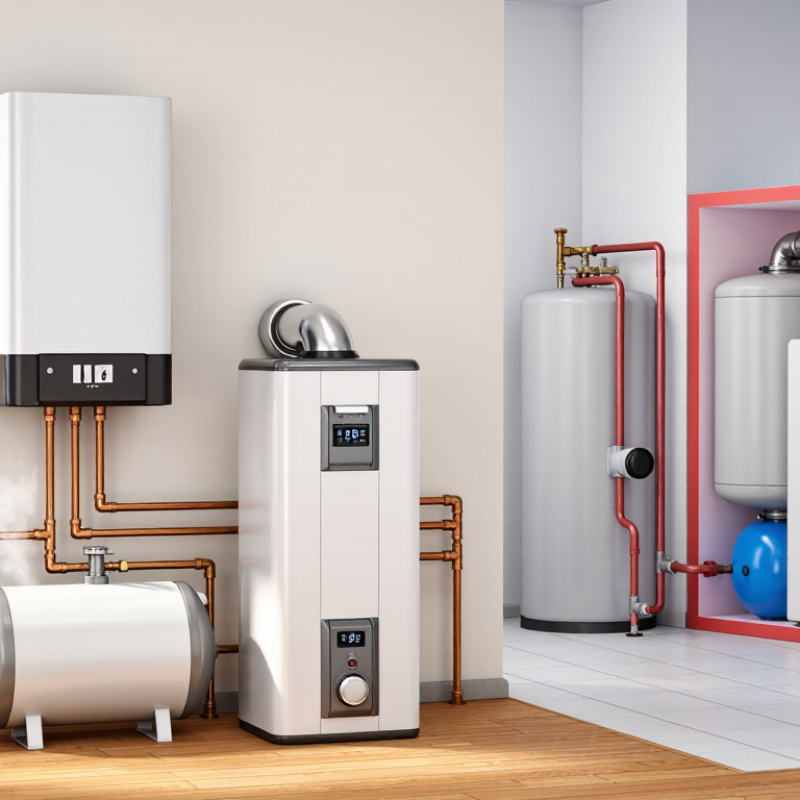
A combi boiler heats radiators and domestic water in one compact unit. It suits smaller homes with moderate hot-water demand. Water pressure can drop when several taps run together. A system boiler stores hot water in a cylinder and works well for homes with multiple bathrooms. It needs more space, but it can serve several outlets more consistently. A conventional boiler uses a cylinder and separate cold-water tank. This arrangement can suit older heating systems, although the installation occupies more cupboard or loft space.
In practice, I would compare heat-loss calculations, hot-water habits, available space, and local gas regulations before choosing a type. A qualified heating professional should inspect flue routing, ventilation, pipework, and condensate drainage. Carbon monoxide protection matters too. Do not rely on a boiler’s efficiency label alone. I once underestimated recovery time in a larger household; the rating looked impressive, but daily use exposed the weakness. The “best” type depends on the property, and that answer can change after a proper survey.
How to Compare Boiler Efficiency, Output, and Fuel Use
2026 Best Natural Gas Boiler: Which Type to Buy?
Comparing boilers requires more than reading the efficiency label. Check AFUE, useful output, and expected fuel consumption together. The U.S. Department of Energy reports that modern high-efficiency gas boilers commonly reach 90%–98% AFUE. However, real performance depends on water temperature, installation quality, and maintenance.
Output matters during the coldest hours. A boiler with 100,000 Btu/h input and 95% AFUE delivers about 95,000 Btu/h. An 80% model delivers only 80,000 Btu/h. Oversizing can cause short cycling, wasting gas and increasing wear. Ask for a room-by-room heat-loss calculation, not a guess based on the old boiler. The U.S. Energy Information Administration reported that natural gas heated about 47% of American homes in its 2020 Residential Energy Consumption Survey. That makes accurate fuel planning important for many households.
Tips: Compare estimated annual gas use, not efficiency alone. A condensing boiler usually performs best with cooler return water. Check whether your radiators can operate at lower temperatures. A neat calculation can still mislead if insulation or weather patterns change. I would also question unusually precise savings claims. Local fuel prices, chimney conditions, and service access can change the result. A qualified technician should verify combustion, ventilation, and system sizing before purchase.
Choosing the Right Boiler Size for Your Home
For a 2026 natural gas boiler, size should follow heat loss, not bedroom numbers. That difference matters. The U.S. Energy Information Administration’s 2020 Residential Energy Consumption Survey reports that space heating uses 42% of household energy. An incorrectly sized boiler can affect both bills and comfort. Do not guess.
Ask for a room-by-room heat-loss calculation using local outdoor temperature, insulation, windows, and air leakage. BS EN 12831 and CIBSE Guide A provide recognized methods for this work. For combi systems, hot-water demand also affects the required output. Energy Saving Trust guidance places many smaller homes near 24–27 kW, while larger properties may require 28–40 kW. These are starting points, not promises.
A 35 kW boiler may heat a modest house quickly, then cycle repeatedly. Frequent cycling can reduce seasonal performance and increase component wear. Look for a wide modulation range and a low minimum output. The installer should show the calculated heat loss in kilowatts. I would question any quote based only on floor area. That shortcut is tempting, but imperfect. Check the result against your rooms, radiators, and hot-water habits.
Key Installation, Venting, and Safety Requirements
A 2026 natural gas boiler should be chosen around the building, not the sales label. Condensing models typically reach 90–98% AFUE, according to the U.S. Department of Energy. They need cooler return water to condense properly. That means larger radiators or low-temperature floor heating can improve real-world performance. An oversized boiler short-cycles. Waste increases, and comfort suffers.
Installation details deserve more attention than the cabinet finish. A licensed installer should calculate heat loss, verify gas pressure, and confirm combustion results. NFPA 54 requires approved venting materials, correct clearances, and proper termination locations. High-efficiency boilers usually use sealed direct venting. Intake and exhaust pipes must remain unobstructed, especially after heavy snow. A small mistake there can send condensate toward the appliance or pull exhaust back indoors.
Carbon monoxide protection is non-negotiable. The CDC reports that unintentional carbon monoxide poisoning causes more than 400 U.S. deaths annually and sends over 100,000 people to emergency departments. Install alarms near sleeping areas, but do not treat them as a substitute for correct venting. I would also request a written startup report, including flue-gas readings and condensate disposal details. Many installations look clean but lack documentation. That is a warning sign. Annual inspection is sensible, although service intervals depend on water quality, operating hours, and the manufacturer’s instructions.
Maintenance Costs, Lifespan, and Long-Term Buying Value
2026 Best Natural Gas Boiler: Which Type to Buy?
A condensing gas boiler usually offers stronger long-term value than a conventional model. The U.S. Department of Energy reports that condensing boilers can reach 90–98.5% AFUE. Standard models typically achieve 80–83% AFUE. ENERGY STAR requirements also favor high-efficiency boilers, generally starting at 95% AFUE.
Efficiency is only part of ownership cost. Condensing systems need annual servicing, combustion checks, and condensate-drain cleaning. A blocked drain can stop heating on a cold morning. That small failure is easy to overlook. Local labor rates and replacement-part prices can change maintenance costs significantly. Ask for a written service estimate before buying.
The Department of Energy states that properly maintained boilers can last about 15 years or longer. Water quality, installation accuracy, operating pressure, and yearly inspections matter greatly. A compact, efficient boiler may reduce fuel use, but its controls and heat exchanger can be more complex. That can increase repair costs after the warranty period. I would choose the highest practical efficiency, not the highest advertised number. A correctly sized condensing boiler, installed by a qualified technician, usually offers the better balance between fuel savings, service needs, and lifespan. Still, household heating demand should be calculated carefully. Oversizing wastes money and may shorten operating life.
2026 Best Natural Gas Boiler: Which Type Offers the Best Long-Term Value?
These figures are practical planning benchmarks based on commonly observed residential boiler service intervals, typical repair costs, and expected service lives. Actual costs vary by location, installation quality, fuel system, water quality, and maintenance history. A condensing system boiler generally offers the strongest long-term balance when a separate hot-water cylinder is acceptable.