Blog

2026 Best Pouch Machinery for Global Buyers

Choosing the right Pouch Machinery in 2026 requires more than comparing speed, price, or glossy brochures. Global buyers now examine material compatibility, seal integrity, changeover time, energy use, and after-sales support. A machine may promise 180 pouches per minute. That figure can shrink quickly with fragile films, frequent size changes, or inexperienced operators.

Smithers’ The Future of Flexible Packaging to 2028 identifies continued growth in flexible packaging, driven by lightweight formats, convenience, and material efficiency. PMMI’s 2024 State of the Industry report also highlights automation, labor shortages, and serviceability as major packaging investment concerns. Grand View Research estimates that the global flexible packaging market will continue expanding through the decade, although forecasts differ by region and product category. That uncertainty matters. Buyers should test real products, not only accept catalogue samples.

Packaging machinery specialist David Luttenberger has repeatedly stressed the importance of practical performance. His advice can be summarized clearly: “Packaging technology must serve the product, the operator, and the supply chain.” That principle fits modern Pouch Machinery selection. A reliable line should produce stable seals beside a dusty film roll, recover quickly after a jam, and guide operators through a clean touchscreen interface.

This guide compares leading pouch-making and pouch-packing solutions for international buyers. It considers applications, output, automation, maintenance, compliance documentation, and total ownership cost. Some recommendations may feel conservative. That is intentional. The fastest machine is not always the best investment. Consistent production usually wins.
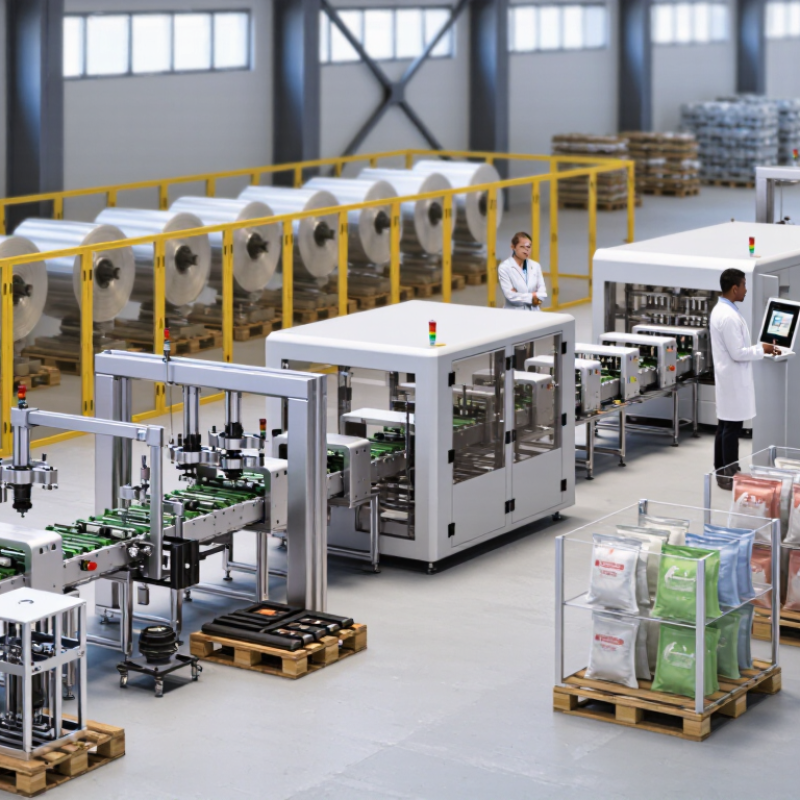
2026 Best Pouch Machinery for Global Buyers

Pouch Machinery Types and Their Industrial Applications in 2026

In 2026, pouch machinery is becoming more specialized for different industrial applications. Vertical form-fill-seal machines suit powders, grains, snacks, and detergents. They use compact floor space and support fast roll-stock production. Horizontal form-fill-seal machines handle flat, gusseted, and shaped pouches with precise sealing control. They are useful for confectionery, personal care, and household products.

Premade pouch machines offer flexible packaging for coffee, pet food, frozen items, and medical supplies. Zipper, spout, vacuum, and modified-atmosphere options can be added according to product needs. Sachet and stick-pack machines serve samples, seasoning, liquid products, and single-use powders. In many factories, servo drives improve filling accuracy, while vision systems inspect seals, codes, and pouch alignment. Small sensors can also reveal temperature drift before damaged packs fill a production bin.

Equipment selection should match product behavior, not only output speed. Fine powder may settle on sealing areas. Thick liquids can create messy, uneven seals. A wider pouch format may reduce speed more than expected. That detail is often missed during sales discussions. Reliable buyers should test actual materials, measure changeover time, and inspect seal strength under controlled conditions. Smart monitoring helps, but it cannot correct poor film quality or careless maintenance. Human judgment still matters.

Key Performance Features of Modern Pouch Machines

In 2026, the best pouch machinery will be judged by measurable performance, not impressive brochures. Grand View Research valued the global flexible packaging market at about USD 268.65 billion in 2023. Its report forecasts a 4.5% compound annual growth rate through 2030. This pressure encourages buyers to demand faster, cleaner, and more adaptable equipment.

Servo-driven film feeding can improve registration during long production runs. Modern systems often support speeds above 100 pouches per minute, depending on pouch size and material. Automatic tension control reduces wrinkles around the forming collar. Optical sensors detect print marks before sealing. Better machines also record seal temperature, pressure, and dwell time. Small details matter.

Changeover time is another practical performance test. A well-designed machine may switch formats within 20 to 40 minutes, although skilled operators remain essential. PMMI packaging research repeatedly identifies labor shortages and automation as major investment drivers. Remote diagnostics can reduce unnecessary service visits. Energy monitoring is useful, but its real savings depend on factory conditions. No machine performs perfectly. Dust, inconsistent film, and rushed adjustments still create defects. Buyers should request factory trials using their own film, pouch dimensions, and filling speeds. A shiny interface cannot replace stable seals, accurate dosing, and repeatable output.

2026 Best Pouch Machinery for Global Buyers

Key Performance Features of Modern Pouch Machines

The chart presents representative operating benchmarks for modern pouch machines under standard production conditions. Intermittent-motion systems commonly achieve higher speeds with simple flat pouches, while zipper, quad-seal, and spouted formats generally require additional forming, sealing, or dosing steps. Actual output depends on pouch size, film structure, product characteristics, filling volume, and automation level.

How to Evaluate Pouch Machinery for Global Production Needs

2026 Best Pouch Machinery for Global Buyers

How to Evaluate Pouch Machinery for Global Production Needs

A reliable evaluation begins with the pouch, not the machine brochure. Measure target film, pouch dimensions, filling accuracy, sealing temperature, and expected hourly output. Ask suppliers to run your actual material, including recycled or high-barrier structures.

UNEP’s 2023 Turning off the Tap report states that packaging represents about 36% of global plastic production. That figure makes material efficiency more than a marketing issue.

Check trim waste, rejected seals, compressed-air use, and energy consumption during a complete production shift. Small losses become expensive across several factories.

Changeover speed matters when product sizes vary. Record the time needed to replace forming parts, adjust sensors, and clean contact surfaces. PMMI’s 2024 State of the Industry report identifies automation, labor shortages, and easier changeovers as continuing machinery priorities.

Require documented testing, not optimistic estimates. Seal strength can be verified through ASTM F88 testing, while leak detection may follow ASTM F2096 methods. Request results from three consecutive runs. One successful sample proves little.

I would also inspect the control interface in person. Translation quality, alarm clarity, and data export can affect night-shift performance.

Spare parts deserve equal attention. Confirm local service coverage, electrical compatibility, training hours, and critical-part availability before signing.

A cheaper machine may become costly when one sensor waits six weeks for replacement.

My own caution is simple: theoretical speed often hides practical downtime. Evaluate the entire operating system, including people, materials, maintenance, and quality checks.

Compliance, Automation, and Energy Efficiency Considerations

2026 Best Pouch Machinery for Global Buyers

Compliance, Automation, and Energy Efficiency Considerations

A strong pouch machine must satisfy local safety, electrical, and material requirements. Global buyers should request documented testing, traceable components, and clear operating instructions. In factory evaluations, I check guarding, emergency stops, sealing temperatures, and cleaning access. These details reveal reliability better than polished brochures. A machine may run quickly, yet produce inconsistent seals after several hours. That gap deserves attention.

Automation should support operators, not hide problems. Servo control, recipe storage, sensor feedback, and remote diagnostics can reduce setup errors. However, excessive automation may increase training demands and repair costs. Energy efficiency depends on more than motor ratings. Insulated sealing jaws, efficient heaters, standby modes, and compressed-air monitoring can reduce waste. Measure actual consumption during production. Estimates are often too optimistic.

Tips: Ask for a site acceptance test using your real film and pouch sizes. Check energy use during startup, stable running, and idle periods. Confirm spare-part availability and technician response times. Keep manual controls available for safe recovery. A perfect specification sheet is not enough. I would also review rejected pouches, noise levels, and heat around the sealing station. Small weaknesses become expensive when production runs continuously.

2026 Best Pouch Machinery for Global Buyers - Compliance, Automation, and Energy Efficiency Considerations

Machine Configuration Typical Pouch Format Indicative Output Range Typical Installed Electrical Load Automation Features to Evaluate Energy-Efficiency Considerations Main Compliance Considerations Best-Fit Applications
Premade Pouch Filler and Sealer Stand-up, flat, zipper, spouted, and retort-ready premade pouches Approximately 20–80 pouches/minute, depending on product, filling system, and pouch size Approximately 5–15 kW, excluding upstream or downstream equipment Automatic pouch feeding, servo-controlled indexing, recipe storage, pouch-presence detection, reject tracking, and checkweigher integration Servo drives, insulated sealing jaws, automatic idle-mode shutdown, low-pressure pneumatic circuits, and heat recovery where available Machine guarding, emergency stops, electrical safety, seal-temperature control, food-contact material suitability, and applicable regional machinery requirements Premium foods, pet food, liquid products, sauces, detergents, medical products, and products requiring high-quality pouch presentation
Vertical Form-Fill-Seal Machine Pillow, gusseted, block-bottom, and center-seal pouches made from rollstock film Approximately 30–120 pouches/minute; multi-lane systems can be higher for small packs Approximately 6–18 kW, depending on sealing method and dosing equipment Automatic film tracking, registration-mark control, servo film pull, recipe-based changeover, automatic splice detection, and integrated metal detection Intermittent or continuous-motion servo control, reduced compressed-air use, optimized heater insulation, and automatic temperature reduction during stops Guarding around forming and sealing areas, electrical protection, film-contact hygiene, seal integrity, and validation of temperature and dwell-time settings Dry snacks, grains, powders, frozen foods, confectionery, hardware, and other products suitable for rollstock packaging
Horizontal Form-Fill-Seal Machine Three-side-seal, four-side-seal, flat, shaped, and specialty pouches Approximately 40–150 pouches/minute, depending on pouch dimensions and product loading Approximately 8–30 kW, excluding product feeding and ancillary systems Servo synchronization, automatic film centering, vision inspection, multi-lane feeding, tool-less adjustment, and digital production monitoring High-efficiency motors, regenerative servo drives where supported, insulated sealing stations, and reduced warm-up time through zoned heating Risk assessment, guarding, electrical conformity, seal-jaw protection, product-contact requirements, and package-integrity testing Medical and hygiene products, wet wipes, single-use products, confectionery, and portion-controlled items
Stick-Pack or Sachet Multi-Lane System Narrow stick packs, three-side-seal sachets, and four-side-seal sachets Approximately 200–1,200 packs/minute, depending on lane count, dose, and material Approximately 8–25 kW, excluding fillers, conveyors, and inspection systems Lane synchronization, automatic film registration, servo-driven dosing, no-product/no-seal logic, continuous weight monitoring, and centralized fault diagnostics Efficient heater zoning, low-leak pneumatic components, standby control, optimized lane loading, and reduced film waste through registration control Hygienic design, controlled dosing accuracy, guarding of high-speed moving parts, electrical safety, and verification of seal strength and leak performance Powders, granules, instant beverages, condiments, pharmaceutical products, cosmetics, and single-use portions
Premade Doypack and Spouted-Pouch Line Stand-up pouches with zippers, caps, fitments, or dispensing spouts Approximately 15–60 pouches/minute, depending on pouch geometry and fitment operation Approximately 6–20 kW, excluding liquid pumps and cap or fitment feeders Automatic pouch opening, fill-level control, cap feeding, fitment insertion, torque monitoring, leak testing, and vision-based pouch-position inspection Servo-controlled pumps, variable-speed conveyors, efficient induction or heat-sealing modules, and automatic shutdown of unused stations Liquid containment, hygienic construction, fitment and cap compatibility, leak prevention, guarding, and applicable food, cosmetic, chemical, or pharmaceutical rules Liquid foods, detergents, personal-care products, sauces, refill packs, and household chemicals
Retort Pouch Packaging System Heat-resistant flat or stand-up pouches for thermal processing Approximately 20–80 pouches/minute, depending on pouch size, filling accuracy, and sealing configuration Approximately 8–25 kW, excluding retort, sterilization, or cooling equipment Recipe management, controlled filling temperature, seal-area contamination detection, vacuum or deaeration options, seal inspection, and batch traceability Zoned sealing control, insulated heaters, efficient vacuum pumps, heat-recovery options, and production scheduling to reduce idle operation Validated thermal-process parameters, seal integrity, food-safety controls, hygienic design, traceability, and applicable packaging-material regulations Ready meals, soups, sauces, seafood, meat products, and other shelf-stable foods requiring thermal processing
High-Containment or Pharmaceutical Pouch Line Sachets, stick packs, unit-dose pouches, and sterile or hygienic flexible packs Approximately 30–300 packs/minute, depending on product, dose, and containment level Approximately 6–25 kW, excluding HVAC, cleanroom, and containment utilities Electronic batch records, access control, audit trails, vision inspection, serialization readiness, automatic reject confirmation, and validated recipe control Efficient HVAC interface, low-energy servo systems, reduced compressed-air demand, heat zoning, and standby modes compatible with validated processes Good Manufacturing Practice requirements, data integrity, cleanability, validation, 21 CFR Part 11 where applicable, and regional pharmaceutical regulations Pharmaceutical powders, medical products, diagnostic materials, nutraceuticals, and controlled single-dose applications
Buyer Evaluation Notes: The output and electrical-load figures are indicative industry ranges for preliminary equipment comparison, not guaranteed performance specifications. Actual results depend on pouch dimensions, material structure, product characteristics, filling accuracy, sealing temperature, lane count, utility conditions, and required inspection systems. For global projects, confirm the applicable requirements in the destination market, including ISO 12100 risk assessment principles, IEC 60204-1 electrical equipment provisions, local machinery-safety legislation, food or pharmaceutical hygiene rules, and packaging-material compliance.
2026 Compliance Reminder: Buyers supplying the European Economic Area should verify the transition requirements between the Machinery Directive 2006/42/EC and Regulation (EU) 2023/1230. The new Machinery Regulation generally applies from 20 January 2027, while other destination markets may require different conformity assessment, electrical, labeling, cybersecurity, or documentation procedures.

Purchasing, Installation, and After-Sales Support for Global Buyers

2026 Best Pouch Machinery for Global Buyers

Purchasing pouch machinery requires more than comparing speed and price. Buyers should match the machine with product type, pouch size, film structure, and expected output. Ask for verified test results using your actual materials. A factory trial can reveal sealing wrinkles, unstable feeding, or excessive film waste. These details often matter more than a polished catalogue.

Installation planning should begin before shipment. Confirm voltage, compressed-air quality, floor space, ventilation, and operator access. Request clear drawings, utility requirements, commissioning steps, and training schedules. Remote installation support can reduce delays, but it cannot replace every hands-on adjustment. That assumption needs careful review. A qualified technician should inspect alignment, temperature control, sensors, and sealing pressure during startup. Operators also need practical training, not only a manual translated into English.

After-sales support strongly affects long-term production reliability. Include response times, spare-parts availability, warranty conditions, and maintenance responsibilities in the purchase agreement. Ask whether common parts can be delivered quickly to your region. Keep a recommended spare-parts kit on site, including heaters, sensors, cutting blades, belts, and sealing elements. Video diagnostics are useful when a fault appears at night. Still, support quality may vary after payment. Regular performance records, service reports, and scheduled inspections create better accountability. Even experienced teams sometimes overlook small air leaks or worn sealing surfaces. Those minor issues can quietly increase rejected pouches and operating costs.

↑