What is the Best Machining Center for Your Manufacturing Needs?
In today's fast-paced manufacturing landscape, selecting the right machining center is crucial for success. Experts emphasize the importance of making informed choices. John Smith, a renowned expert in machining technology, states, "Choosing the right machining center can transform your production capabilities."
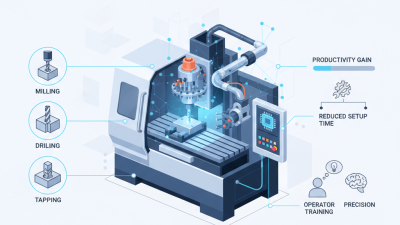
Machining centers are versatile tools that combine multiple functions in one machine. They can perform tasks such as milling, drilling, and tapping. However, with many options available, manufacturers often struggle to identify the best fit for their specific needs. Factors like material type, production volume, and precision requirements play significant roles in determining the right choice.
Ultimately, understanding your own manufacturing needs is vital. A machining center should align with your production goals. This process can be overwhelming, especially for newcomers. It's essential to consult with experienced professionals or conduct thorough research. Reflecting on your unique requirements can lead to better decision-making in selecting the ideal machining center. Embrace the challenge—it may redefine your manufacturing process.
What Types of Machining Centers Are Available in the Market Today?
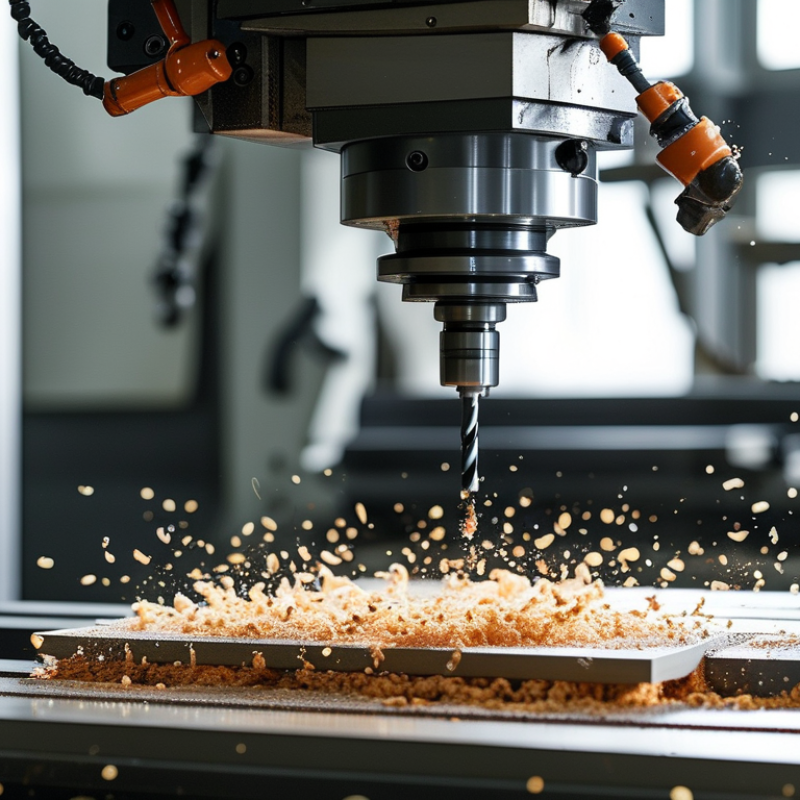
When exploring the varieties of machining centers available today, two types stand out: vertical and horizontal machining centers. Vertical machining centers (VMCs) are ideal for smaller components. They allow for easy access to the workpiece, which enhances visibility and precision. Horizontal machining centers (HMCs) are suited for larger parts. Their design enables better chip removal and productivity for bulk operations.
Tips: Evaluate the size and complexity of your parts before deciding. A compact VMC may suffice for simple tasks. However, for larger projects, an HMC could dramatically reduce cycle time. Always consider future growth and flexibility in your choice.
In addition to VMCs and HMCs, there are multi-tasking centers. These machines combine turning and milling capabilities. They offer vast flexibility but can be more challenging to operate. It’s crucial to ensure your team has the proper training to maximize the machine's potential. Performance can suffer without adequate skills.
Consider the investment in a machining center carefully. Each option has trade-offs in capacity, speed, and complexity. It’s common to realize post-purchase that a different machine would have better served your needs. Thus, engaging with experienced operators during the selection process is valuable. Their insights can lead to wiser decisions.
Key Features to Consider When Selecting a Machining Center for Production
Choosing the right machining center is crucial for any manufacturing operation. Key features can significantly impact production efficiency and cost-effectiveness. According to a recent report by IMTS Insights, 47% of manufacturers identify machine versatility as a top priority. This flexibility allows for various tasks, from milling to turning, making it essential for diverse production needs.
Another important feature is the spindle speed. Higher speeds can reduce cycle times, improving productivity. The average spindle speed in modern machining centers has increased to around 12,000 RPM. However, not all applications benefit from high-speed machining. Poor material compatibility can lead to tool wear and increased costs, requiring manufacturers to evaluate their specific needs carefully.
Moreover, user-friendly software is vital. The ease of programming can increase operator efficiency and reduce errors. Interestingly, a study from the National Institute of Standards and Technology found that intuitive interfaces can reduce training time by up to 30%. Manufacturers need to consider the long-term implications of their choice. An inappropriate decision can lead to operational inefficiencies that are hard to rectify later.
Understanding the Role of CNC Technology in Modern Machining Centers
CNC technology plays a crucial role in modern machining centers. It enhances precision and efficiency, catering to diverse manufacturing needs. CNC machines automate processes, reducing human error and ensuring consistent results. They achieve complex designs that manual methods struggle to replicate. Operators can easily program these machines using software, making them versatile for various tasks.
However, the shift to CNC technology comes with challenges. Some businesses face high initial costs and require skilled operators for optimal performance. Training demands time and resources, which can strain smaller operations. Moreover, over-reliance on automation may lead to gaps in manual skills among workers. This raises concerns about job security and technical expertise over time.
Despite these hurdles, the benefits of CNC technology cannot be overlooked. It fosters innovation and allows manufacturers to meet customer demands more efficiently. By embracing CNC, companies can enhance their production capabilities. They must balance advanced technology with sufficient human skills to ensure a well-rounded manufacturing approach.
Industry-Specific Applications: Choosing the Right Machining Center
Choosing the right machining center is not a one-size-fits-all process. Different industries have unique requirements. For aerospace manufacturing, precision is key. Machining centers designed for this sector often feature advanced tooling capabilities and high-speed spindles. The focus is on achieving tight tolerances and minimal surface roughness.
In contrast, the automotive industry places a premium on efficiency. Here, the machining center must handle high production volumes while maintaining quality. It often requires flexible tooling options to accommodate various part shapes and sizes. Some centers integrate automation to reduce cycle times further.
Complex parts in the medical device industry present another challenge. Machining centers must be able to work with exotic materials like titanium and polymers. They must meet stringent industry standards. Operators often face difficulties in ensuring compliance and achieving consistency. Each sector highlights the importance of selecting a machining center tailored for specific applications. This choice can make a significant difference in productivity and quality.
Evaluating Cost vs. Performance: Finding Value in Machining Centers
When considering a machining center, cost and performance must be carefully balanced. Each facility has unique requirements. A more expensive machine might offer advanced features, but is it needed? Evaluate what functions are essential for your projects.
Investing in a machining center involves assessing long-term benefits. A cheaper option may lack the precision required, leading to costly rework. Weighing immediate expenses against future savings can be tricky.
Tips: Always analyze the total cost of ownership. Consider not just the purchase price, but maintenance and potential downtime costs as well. Look into machine flexibility too; it can adapt to various tasks.
Be cautious about falling for shiny new features. They may not align with your actual production needs. Reflect on how often specific functionalities will be used. A focused approach will lead to better value. Ultimately, understanding your production flow can guide you toward the right decision.