How to Choose the Best Metal CNC Machine for Your Needs?
Choosing the right metal CNC machine can be a daunting task. With so many options available, making a decision requires careful consideration. According to John Smith, a veteran in the CNC industry, “Selecting a CNC machine involves understanding your specific needs and future goals.” His insight highlights the importance of aligning the machine’s capabilities with your projects.
A metal CNC machine can vary widely in features. It is crucial to assess factors like precision, speed, and material compatibility. Some machines excel in cutting soft metals, while others tackle harder materials. Evaluating your current and projected workload is essential.
Many users often overlook the importance of support and training. A reliable supplier should offer adequate resources. Without proper evaluation, you might invest in equipment that falls short of your expectations. Reflect on your specific requirements. Addressing these questions upfront can lead to a more satisfying choice.
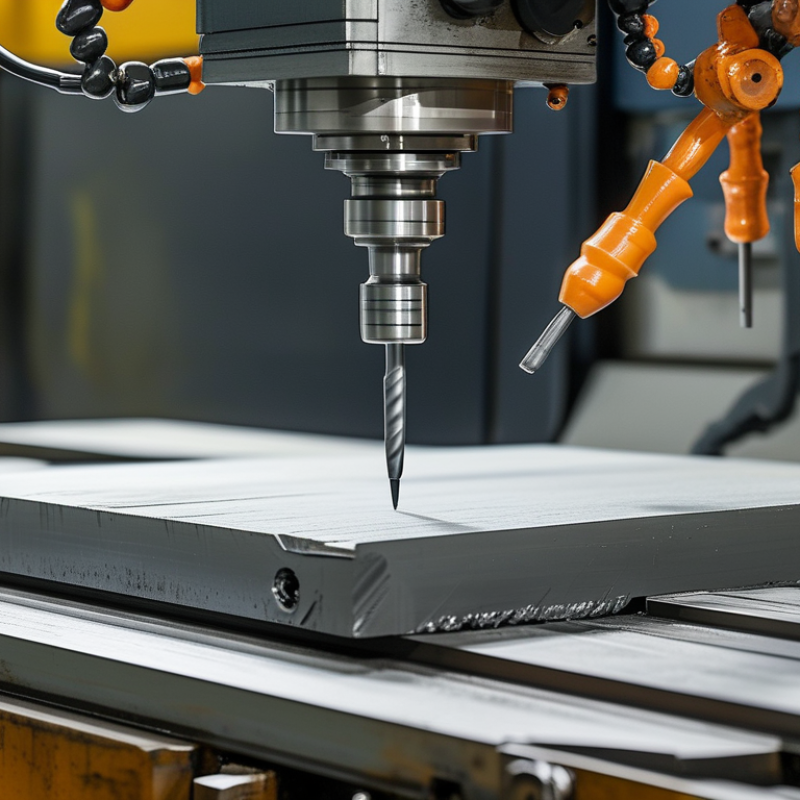
Understanding Your Metal CNC Machining Requirements
Understanding your metal CNC machining requirements is crucial. Start by evaluating the types of materials you will work with. Metals like aluminum, steel, and copper each have different machining needs. Consider the thickness of the materials, as this will affect cutting speed and tool choice. Also, think about the level of precision required for your projects. Some applications need tight tolerances, while others may allow for more leeway.
When selecting a CNC machine, define the complexity of the parts you plan to produce. Simple shapes can benefit from basic machines, while intricate designs often require advanced features. Check the machine’s capabilities, such as spindle speed and axis configuration. Higher spindle speeds allow faster cutting but may not always be necessary for your needs.
Stay informed about the latest CNC technology. Review user experiences and industry reports to understand emerging trends. This knowledge can guide your decision and ensure you invest wisely. Remember, it can take time to find the right fit. Experimenting with different machines and setups will help refine your choices. Don't hesitate to ask for advice from experienced machinists. Their insights can reveal aspects you may not have considered.
Key Features to Look for in Metal CNC Machines
When choosing a metal CNC machine, several key features demand attention. First, consider the machine's build quality. A robust frame ensures stability during operation. Vibration can affect precision, so a solid design is crucial. Assess the materials used in construction; high-grade steel offers durability and reduces wear over time.
Next, evaluate the spindle performance. The spindle speed and torque significantly influence cutting capabilities. High-speed spindles can handle a variety of materials efficiently. Also, look for machines that allow for easy tool changes. This feature streamlines workflow, particularly in high-volume production environments. The ability to switch tools quickly can save considerable time and effort.
Another important aspect is the CNC controller. A user-friendly interface can make programming simpler and reduce the learning curve. Ensure the machine supports necessary software and protocols. Connectivity options can also enhance functionality. It's vital to choose a machine that integrates well with your current technology. As you consider these features, reflect on your specific applications and production needs. This will guide you toward making a well-informed decision.
Evaluating Precision and Tolerance for Your CNC Needs
When selecting a metal CNC machine, precision and tolerance are critical factors. Precision refers to the machine's ability to create parts that meet exact specifications. Tolerance defines how close the produced dimensions are to the desired measurements. Research indicates that most CNC machining processes can achieve tolerances of ±0.01 mm to ±0.1 mm. Depending on your requirement, understanding these metrics can significantly impact production quality.
Evaluating precision involves analyzing the machine's specifications. Look for machines that offer high repeatability and minimal backlash. A report from the Association for Manufacturing Technology highlights the importance of backlash compensation. This factor can lead to variations in precision, especially when working with intricate designs. It is essential to test the machine and inspect sample outputs.
Tolerance is equally important. Manufacturing standards often list acceptable tolerances for various industries. For example, aerospace components may require tolerances as tight as ±0.005 mm. On the other hand, general fabrication may allow for looser tolerances of ±0.2 mm. Manufacturers should know these standards when selecting machines. Without proper evaluation, the risk of producing defective parts increases, leading to costly reworks. Always balance your production needs with the achievable precision and tolerance of a CNC machine.
Comparing Different Types of Metal CNC Machines
When selecting a metal CNC machine, understanding the various types is crucial. Typically, CNC machines fall into categories such as milling, lathes, routers, and plasma cutters. Each type serves specific applications, impacting both precision and efficiency. According to a recent report by MarketsandMarkets, the global CNC machine market is projected to reach $100 billion by 2026, illustrating its importance in various industries.
Milling machines are among the most versatile. They excel in producing intricate parts and are favored in aerospace and automotive applications. On the other hand, lathes focus on cylindrical objects, offering great speed and accuracy for tasks like shaft production. Plasma cutting machines, although less common, are invaluable for thicker materials. Understanding these differences can enhance your production capabilities, especially since research indicates that choosing the right type can improve workflow efficiency by over 30%.
Assessing precision is vital too. Tolerance levels can vary significantly, impacting final product quality. Some machines can operate within ±0.01 mm, while others may have tolerances of ±0.1 mm. This variance underscores the need for careful consideration based on your specific project requirements. Choose wisely, as the wrong machine can hinder productivity and escalate costs. An informed choice aligns your equipment with your operational needs, promoting better outcomes.
Budget Considerations for Purchasing a CNC Machine
When considering a CNC machine, budget is a crucial factor. The initial purchase price can vary significantly. It's essential to determine what features you truly need versus what is nice to have. A high-end model might offer advanced capabilities, but it could exceed your budget. Prioritize your requirements. Do you need speed, precision, or both?
Additionally, factor in ongoing costs. Maintenance, tooling, and software can add up. Sometimes a cheaper machine requires more frequent repairs, leading to hidden expenses. Try to account for these costs when discussing your budget. It can be frustrating when unforeseen expenses arise.
Lastly, do not overlook the value of resale. A quality CNC machine may depreciate slower than a lower-end version. Investing more initially can result in better long-term returns. Reflect on your machining needs now and in the future. This can help you avoid buyer's remorse.
How to Choose the Best Metal CNC Machine for Your Needs? - Budget Considerations for Purchasing a CNC Machine
| CNC Machine Type |
Price Range (USD) |
Suitable Materials |
Typical Applications |
Size/Weight |
| Desktop CNC Mill |
$1,000 - $3,000 |
Aluminum, Wood, Plastics |
Prototyping, Hobby Projects |
Compact / Light (Under 50 lbs) |
| Mid-sized CNC Router |
$3,000 - $10,000 |
Aluminum, Metal, Plastic |
Sign Making, Furniture Design |
Medium / Moderate (50-250 lbs) |
| Industrial CNC Plasma Cutter |
$10,000 - $30,000 |
Steel, Stainless Steel, Aluminum |
Metal Fabrication, Manufacturing |
Large / Heavy (Over 250 lbs) |
| CNC Lathe |
$5,000 - $20,000 |
Metal, Plastics |
Precision Parts Manufacturing |
Medium to Large / Variable Weight |