How to Choose a Customized Valve Guide for Your Engine?
Choosing the right valve guide for your engine can significantly impact performance and longevity. According to engine specialist John Hartman, "A properly customized valve guide is essential for optimal engine function." His expertise highlights the need for precision in selecting the right components.
In the realm of Valve Guide Customized solutions, understanding your engine's requirements is crucial. Each engine has specific tolerances and dimensions that must be respected. A one-size-fits-all approach often leads to poor performance and increased wear over time. Engaging with manufacturers who specialize in customized solutions can ensure a perfect fit.
It is easy to overlook the importance of valve guides. However, neglecting this critical part can cause significant issues. Problems such as excessive wear or improper sealing can arise from ill-fitting guides. Taking the time to choose a high-quality, customized valve guide will lead to better engine performance and reliability.
Understanding the Role of Valve Guides in Engine Performance
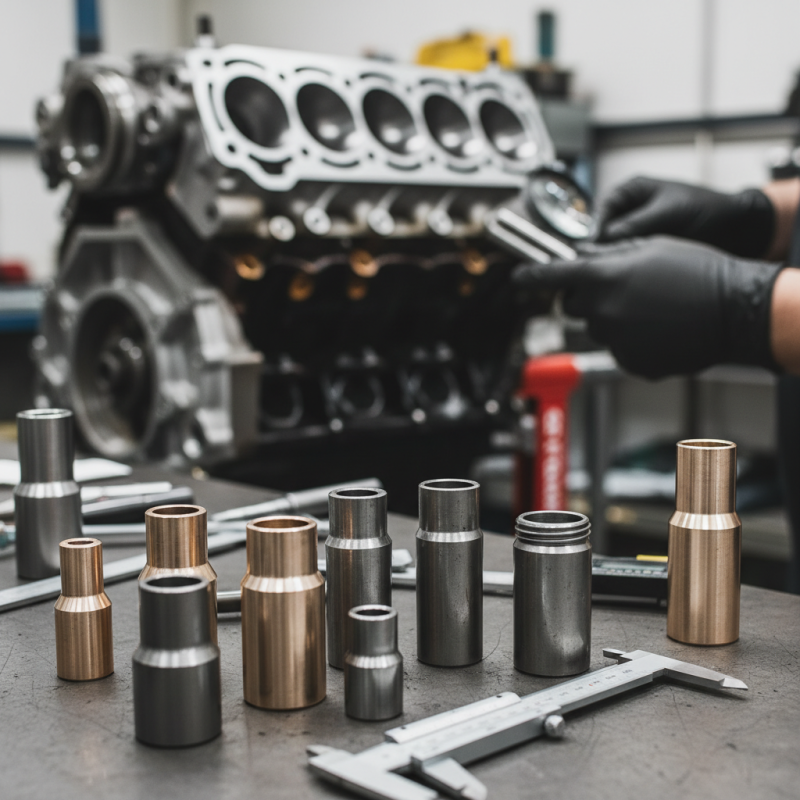
Valve guides play a crucial role in your engine's performance. They are solid metal tubes that ensure the proper alignment of the valves. This alignment helps maintain optimal airflow in and out of the combustion chamber. If they wear out or become misaligned, engine efficiency can suffer.
Tips: Regular inspections can help identify issues early. Look for signs of wear, like unusual noise or decreased performance. These indicators may suggest that your valve guides need attention.
Choosing the right valve guide is essential. It impacts not only the performance but also the longevity of your engine. Different engines may require different materials or designs. For example, some engines benefit from bronze guides for better durability. Others might perform well with steel guides.
Tips: Consult with a professional to determine the best option for your specific engine. A small miscalculation can lead to significant problems down the road. Consider your engine's intended use. A racing application may demand different specifications than a daily driver.
Engine Performance Metrics with Customized Valve Guides
Factors to Consider When Selecting Customized Valve Guides
When selecting customized valve guides, several factors are crucial. Material is one of the most significant considerations. Valve guides can be made from various materials, including bronze and cast iron. Each material has its own strengths and weaknesses. For example, bronze is known for its durability but can be more expensive. Cast iron offers good performance but may wear more quickly under certain conditions.
Another important aspect is the fit. Ensuring the valve guide fits snugly is vital for optimal engine performance. A loose fit can lead to valve misalignment. This may result in poor sealing and reduced power output. However, achieving the perfect fit can be tricky. It often requires precise measurements and sometimes multiple prototypes.
Finally, consider thermal expansion and heat resistance. Valve guides operate in high-temperature environments. Therefore, materials that can withstand these conditions are essential for longevity. Inadequate heat resistance may lead to overheating and premature wear. Customizing a valve guide to meet specific engine requirements is always recommended. Careful thought will lead to better engine performance and reliability.
Materials and Designs for Customized Valve Guides
Choosing the right materials for customized valve guides is essential for engine performance. Commonly, valve guides are made from bronze, aluminum, or cast iron. Each material has distinct advantages. For instance, bronze offers excellent wear resistance and thermal conductivity. Aluminum can reduce weight but may lack durability compared to bronze. A recent report indicates that 75% of high-performance engines prefer bronze for its longevity.
Design also plays a crucial role. Engineered shapes can enhance oil retention and ensure optimal heat dissipation. A study showed that valve guides with a tapered design reduced friction by up to 15%. This reduction in friction can significantly improve engine efficiency. However, many enthusiasts overlook the importance of precise fitting. Poorly fitted guides lead to increased wear and potential engine damage over time.
While customization is vital, achieving the perfect guide design is challenging. Factors like valve stem diameter and engine operating temperature matter. Some might opt for standard designs to save time, but this might compromise performance. The variability in engine specifications means that one size does not fit all. Relying solely on generic solutions can lead to regrets down the line.
Compatibility of Valve Guides with Engine Specifications
When selecting a customized valve guide for your engine, understanding compatibility with your engine's specifications is critical. Valve guides are essential components that direct the movement of the valves and maintain engine performance. Each engine has its unique design, which dictates the dimensions and material of the valve guides. If they are not compatible, you could face significant issues.
Consider the dimensions—inner and outer diameters matter. An improperly sized valve guide can lead to poor performance or premature wear. It's frustrating to find that a guide doesn't fit during assembly. Materials also vary; some guides are made from bronze, while others use hardened steel. These choices affect durability and heat resistance. Additionally, the specific engine design may require a specific guide style or length.
Don't forget about the installation. A customized guide can enhance fitment but may require expert knowledge. Misalignment is a common issue that can cause further complications. You can save time by verifying compatibility first. Researching engine specifics pays off. This step is vital to ensure the longevity of your engine components.
How to Choose a Customized Valve Guide for Your Engine? - Compatibility of Valve Guides with Engine Specifications
| Engine Model | Valve Guide Material | Compatible Valve Size | Recommended Applications |
| 4.0L V6 Engine | Bronze | 30mm | Performance, Racing |
| 2.0L Turbo Engine | Steel | 28mm | Street, Daily Driving |
| 5.7L V8 Engine | Nickel Alloy | 36mm | High-Performance, Racing |
| 1.5L Inline 4 Engine | Aluminum | 25mm | Economy, Compact Cars |
| 3.6L V6 Engine | Titanium | 32mm | Luxury, Performance |
Installation and Maintenance Tips for Customized Valve Guides
When installing a customized valve guide, precision is key. Start by ensuring the valve guide material matches your engine’s needs. High-quality materials improve performance. Measure the clearance between the valve stem and guide carefully. Too tight or too loose can lead to issues. Ground the guide to fit snugly, but not overly tight.
Maintenance is equally important. Regularly check for wear and tear. Look for any signs of oil leaks or excess dirt. Cleaning helps prevent build-up that could harm the engine. It's not always perfect, so replace any guides showing significant wear. Ensure a proper alignment during installation to avoid future complications. Test your results thoroughly to confirm everything operates smoothly.