How to Choose a Dustproof Testing Machine at Canton Fair 2026?
As the 139th Canton Fair approaches in 2026, businesses are keen to explore key innovations in product testing. One crucial area is the selection of a Dustproof Testing Machine. These machines ensure products meet industry standards for dust resistance, an essential aspect in today’s manufacturing.
According to industry expert Dr. Lisa Chen, “Choosing the right Dustproof Testing Machine can dramatically affect a product's market viability.” Recent reports indicate a growing demand for such testing solutions, projected to increase by 15% annually. Sophisticated features, such as ISO and CE certification compliance, are significant considerations for buyers. The integration of AI at this year’s fair enhances supplier search efficiency, aiding procurement decision-making amidst a vast exhibition space of 1.55 million square meters.
However, it’s important to remember that not all machines are created equal. Potential buyers must reflect on their unique testing needs. The right choice can lead to greater product reliability, but the wrong one might result in costly setbacks. Engaging with experts and utilizing the AI navigation tools at the fair can guide buyers through this intricate process.
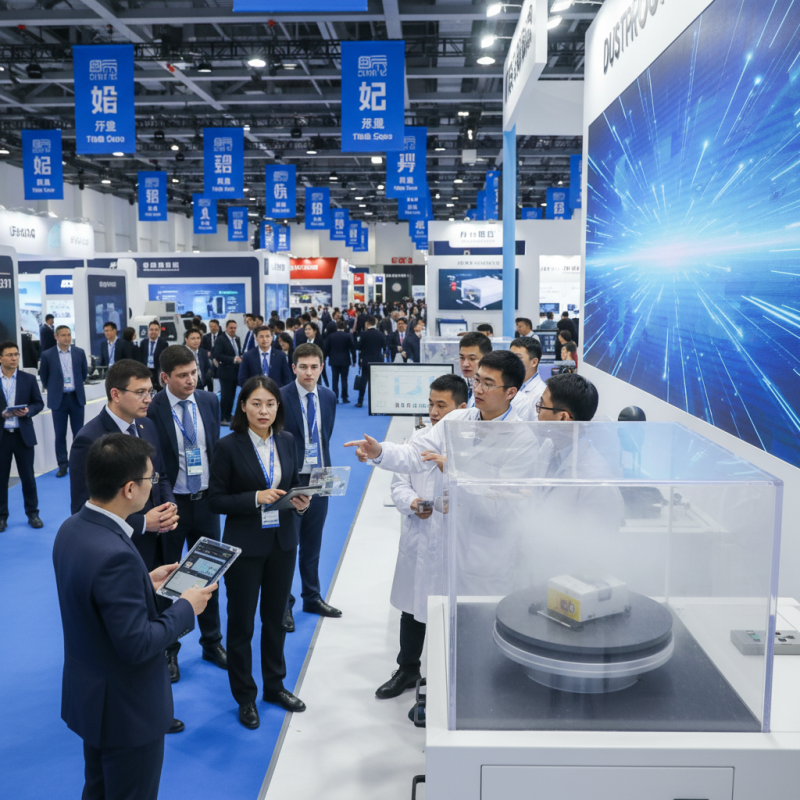
Understanding Dustproof Testing Machines: Key Features to Consider
Choosing a dustproof testing machine requires careful consideration of key features. The machine should comply with industry standards, like IEC 60529, which defines protection levels. It’s essential to understand the IP rating. For example, IP6X indicates complete dust tightness. This rating ensures no dust can enter, safeguarding the testing process.
Another important aspect is the machine's testing environment. A controlled climate reduces external variables. According to a report from industry experts, 70% of failures in dustproof tests were due to uncontrolled conditions. Ensuring a stable temperature and humidity can significantly enhance accuracy. The machine's versatility also matters. It should accommodate different products, from small electronics to larger machinery.
Consider the ease of use too. Complicated interfaces can lead to user errors. Data collection should be straightforward. Machines that provide clear reporting facilitate an easier review process. Sometimes, manufacturers overlook user experience, which can be detrimental. The right machine should balance technical capabilities with usability, enhancing workflow efficiency.
Evaluating the Types of Dustproof Testing Machines Available
When evaluating dustproof testing machines, various types exist in the market. Each type serves different needs. Commonly, there are two main categories: portable and stationary machines. Portable models are often used for field tests. They are convenient and flexible but may lack extensive features. Stationary machines, however, provide thorough testing and consistent results in controlled environments.
Recent industry reports indicate that about 70% of testing machines sold are stationary models. These are preferred for their accuracy, and they often comply with stricter international standards. However, some users find them cumbersome due to their size. This can be a drawback when space is limited. Moreover, the decision can also hinge on budget constraints, as stationary units tend to be more expensive.
Another factor to consider is technology integration. Advanced dustproof machines now offer digital interfaces for easier data logging. Newer models can even connect to IoT platforms. Yet, the complexity of these technologies may require additional training for operators. This adds another layer of decision-making. Users must assess if the benefits outweigh these potential challenges. Ultimately, the choice depends on specific testing needs and operational capabilities within your organization.
How to Choose a Dustproof Testing Machine at Canton Fair 2026?
| Machine Type | Dustproof Level | Testing Capacity | Measurement Accuracy | Size (cm) | Weight (kg) |
| Type A | IP5X | 5-10 kg | ±2% | 100 x 60 | 25 |
| Type B | IP6X | 10-20 kg | ±1.5% | 120 x 80 | 30 |
| Type C | IP7X | 20-30 kg | ±1% | 150 x 100 | 40 |
| Type D | IP8X | 30-50 kg | ±0.5% | 200 x 120 | 60 |
Assessing Certification Standards and Compliance Requirements
When selecting a dustproof testing machine at the Canton Fair, compliance with certification standards is crucial. Many industries face strict regulations. For instance, the International Electrotechnical Commission (IEC) has guidelines that outline how products should perform under dust exposure. It’s important to understand these standards as they can impact the overall quality and reliability of your products.
The latest industry reports indicate that nearly 73% of manufacturers struggle to meet compliance requirements. This challenges product approval and market entry. Adopting machines compliant with IEC 60529 can provide clarity in dust and water ingress testing. Consider whether the machine includes features that can accurately simulate real-world conditions. A unit that offers customizable settings may aid in ensuring your products meet varying requirements across regions.
However, not all machines deliver reliable results. Some manufacturers overpromise, leading to misconceptions about performance. Look for certifications from recognized bodies when assessing machines on the market. This added layer of due diligence can protect your investments and enhance product quality. Understanding the core standards is essential for testers and manufacturers alike.
Dustproof Testing Machine Standards Compliance in Different Regions
Budgeting for a Dustproof Testing Machine: Cost Analysis
When considering a dustproof testing machine, budgeting is crucial. The initial purchase cost can range significantly, typically from $10,000 to $50,000, depending on the machine’s specifications and capabilities. According to recent industry reports, businesses often overlook additional costs. Maintenance, calibration, and operational expenses can add 20-30% to the total cost yearly.
Tips: Always include an annual maintenance budget in your calculations. This ensures long-term functionality and compliance with standards.
Pay attention to the machine's features. Some models may offer advanced options like automated reporting or data analytics. These features may drive up the initial costs but can save time and resources in the long run. Evaluate if these are essential for your needs.
Do not underestimate training for staff. Personnel must know how to operate the machine correctly. Training costs can range from $1,000 to $5,000. Making a poor choice here can lead to wasted resources. An informed decision today can prevent costly mistakes in the future.
Finding Reliable Suppliers and Brands at Canton Fair 2026
When attending the Canton Fair 2026, finding reliable suppliers is key. Look for booths that showcase dustproof testing machines. Make sure the suppliers have good feedback. This can save you from potential issues later. Check their certifications and product quality closely. Reliable suppliers often have reviews from past clients.
Engage with multiple vendors to compare options. Ask questions about their machines’ specifications and performance. It's wise to take notes while you visit different stalls. Sometimes, you'll find a supplier's pricing slightly unclear. Address this immediately; transparency is crucial in partnerships.
Visiting the fair can be overwhelming. The variety of products can distract you. Focus on your specific needs to avoid getting sidetracked. If a machine catches your eye, don't hesitate to ask for demonstrations. Always remember, not every impressive display guarantees reliability or quality.