What is a Condensing Unit For Walk-In Cooler and How Does It Work?
The Condensing Unit For Walk-In Cooler is a crucial component in the refrigeration industry. It plays a pivotal role in maintaining optimal temperatures in commercial cold storage solutions. According to a report by the American Society of Heating, Refrigerating and Air-Conditioning Engineers (ASHRAE), approximately 30% of energy use in commercial refrigeration systems comes from the condensing unit.
Understanding how this unit operates is essential for businesses that rely on cold storage. The unit functions by transferring heat from the interior of the cooler to the outside environment. This process is fundamental to preserving food and pharmaceuticals, reducing waste, and maintaining quality. However, improper maintenance of the condensing unit can lead to inefficiencies. Equipment failures can occur, leading to increased operational costs and potential losses.
Investing in high-quality condensing units and regular maintenance is vital. The choice of condensing unit can affect energy consumption by up to 50%. The right unit can maximize efficiency and reliability. Knowing which features to prioritize requires a keen understanding of industry needs.
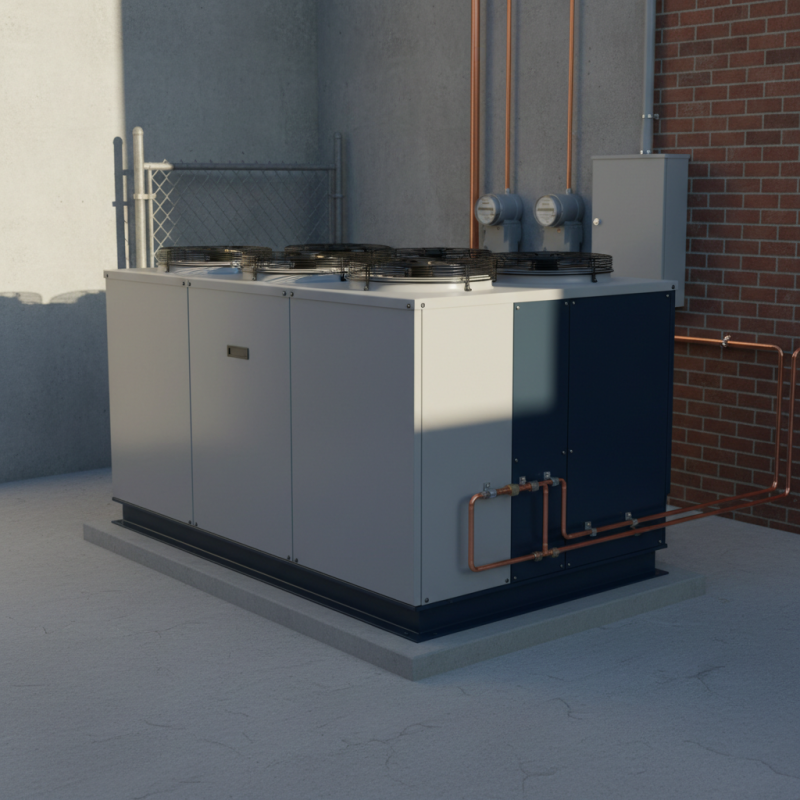
Definition of a Condensing Unit in Walk-In Coolers
A condensing unit in a walk-in cooler plays a crucial role in maintaining optimal temperatures. It is the heart of the refrigeration system, responsible for converting refrigerant gas into liquid. This transformation allows the refrigeration cycle to take place effectively. According to the Refrigeration Research Council, approximately 30% of energy in commercial cooling systems can be attributed to the efficiency of the condensing unit.
The unit consists of several key components: the compressor, condenser, and evaporator. Each of these parts must work harmoniously to ensure optimal cooling. The compressor compresses the refrigerant, raising its pressure and temperature. The refrigerant then flows to the condenser, where it releases heat to the surrounding environment. In an effective system, about 95% of the heat should dissipate here. However, inadequate airflow or dirt buildup can lead to inefficient operation, reducing overall system performance.
Understanding the operation of a condensing unit is vital for maintenance and efficiency. Regular checks are essential, especially for seen issues such as leaks or build-ups that can hinder performance. Industry reports reveal that proper maintenance can extend the lifespan of a condensing unit by up to 20%. It’s essential to review and reflect on the practices surrounding these cooling systems to minimize energy waste and enhance operational reliability.
Key Components of a Condensing Unit and Their Functions
A condensing unit is a vital component in a walk-in cooler system. Its primary role is to compress refrigerant gas and convert it into liquid form. This process helps in expelling heat from the cooler's interior, maintaining optimal temperatures for food preservation. According to the U.S. Department of Energy, efficient refrigeration systems can save 20-30% in energy costs, underscoring the importance of high-quality condensing units.
Key components of a condensing unit include the compressor, condensers, and expansion valves. The compressor pressurizes the refrigerant. The condenser cools the pressurized gas, allowing it to transform into a liquid. Lastly, the expansion valve regulates the flow of refrigerant back into the evaporator. These components work together to optimize cooling. However, improper maintenance can lead to inefficiencies. Regular inspections are vital to ensure these components function effectively, as neglect can lead to increased energy consumption and reduced lifespan of the cooler.
Data from the Refrigeration Research Institute indicates that 50% of commercial refrigeration failures result from poor component maintenance. Issues such as clogged condensers or malfunctioning compressors can severely impact cooling efficiency. By focusing on the key components of a condensing unit, operators can better ensure reliability and performance in their walk-in coolers.
What is a Condensing Unit For Walk-In Cooler and How Does It Work? - Key Components of a Condensing Unit and Their Functions
| Component | Function | Description |
| Compressor | Circulates refrigerant | Compresses low-pressure refrigerant gas into a high-pressure gas, allowing it to flow through the system. |
| Condenser Coils | Condenses refrigerant | Allows high-pressure gas to lose heat and turn into a liquid as it releases heat to the environment. |
| Expansion Valve | Regulates refrigerant flow | Reduces pressure of the liquid refrigerant before it enters the evaporator, allowing it to expand and cool. |
| Evaporator Coil | Absorbs heat | Facilitates heat exchange as refrigerant evaporates, cooling the air within the cooler. |
| Fan | Circulates air | Moves air over the evaporator coils and throughout the cooler to maintain a consistent temperature. |
How a Condensing Unit Operates in a Walk-In Cooler
A condensing unit plays a crucial role in a walk-in cooler. It is responsible for absorbing heat from inside the cooler and transferring it outside. The process begins when refrigerant enters the evaporator coils. Here, it absorbs heat, causing the refrigerant to evaporate. This evaporation cools the air inside the cooler, ensuring that stored items remain at the desired temperature.
Once the refrigerant has absorbed the heat, it moves to the condensing unit. In this unit, the refrigerant is compressed, increasing its temperature and pressure. After that, it passes through condenser coils. Here, the refrigerant releases the absorbed heat into the outside air, transforming it back into a liquid form. This cycle continues, maintaining a consistent temperature in the cooler.
Tip: Regular maintenance of the condensing unit ensures efficiency. Check for dust and debris on the coils. Keeping them clean helps improve heat exchange.
Another important factor is the placement of the condensing unit. It should be installed in a shaded area to prevent overheating. This small step can greatly enhance its performance.
Tip: Monitor the unit's noise. Unusual sounds may indicate problems needing immediate attention. Addressing these issues early can save costly repairs later.
Installation and Maintenance of a Condensing Unit
Installation of a condensing unit for a walk-in cooler requires precision and expertise. It involves connecting the unit to the refrigeration system. Proper installation affects efficiency. A well-installed unit can increase energy savings by up to 30%, according to the U.S. Department of Energy. Placement is also critical. Ensure there is adequate airflow around the unit for optimal performance.
Maintenance is equally vital for the longevity of the condensing unit. Regular checks of refrigerant levels can prevent inefficiencies. The Environmental Protection Agency highlights that a low refrigerant charge can reduce cooling capacity by up to 20%. Cleaning coils should be routine. Dirty coils can significantly impact energy consumption, leading to higher operational costs.
Attention to detail in installation and maintenance is crucial. Common installation errors include improper electrical connections or poor insulation. These mistakes can lead to recurring repairs and wasted energy. Consideration of these factors will ensure your walk-in cooler operates effectively over time.
Common Issues and Troubleshooting Tips for Condensing Units
A condensing unit for a walk-in cooler is crucial for efficient refrigeration. However, like any mechanical system, it may encounter various issues. Common problems include refrigerant leaks, compressor failures, and air flow restrictions. Each of these issues can significantly impact cooling performance. It’s essential to monitor these components regularly to prevent major failures.
When troubleshooting, start by checking the refrigerant levels. Low levels often indicate a leak that needs immediate attention. Inspect the compressor for unusual noises or vibrations, as these can signal impending failure. Ensure that the condenser coils are clean, as dirt can restrict airflow. A dirty coil may lead to overheating, which might compromise the entire system.
In practice, some users overlook simple maintenance tasks. They may neglect cleaning or fail to monitor temperatures effectively. This can lead to prolonged downtime. Regular maintenance checks and prompt action on warning signs can save money. Fostering awareness about these common issues enhances system reliability. Ultimately, a proactive approach is crucial for optimal performance.