Blog

What Is a PPR Heater Machine and How Does It Work?

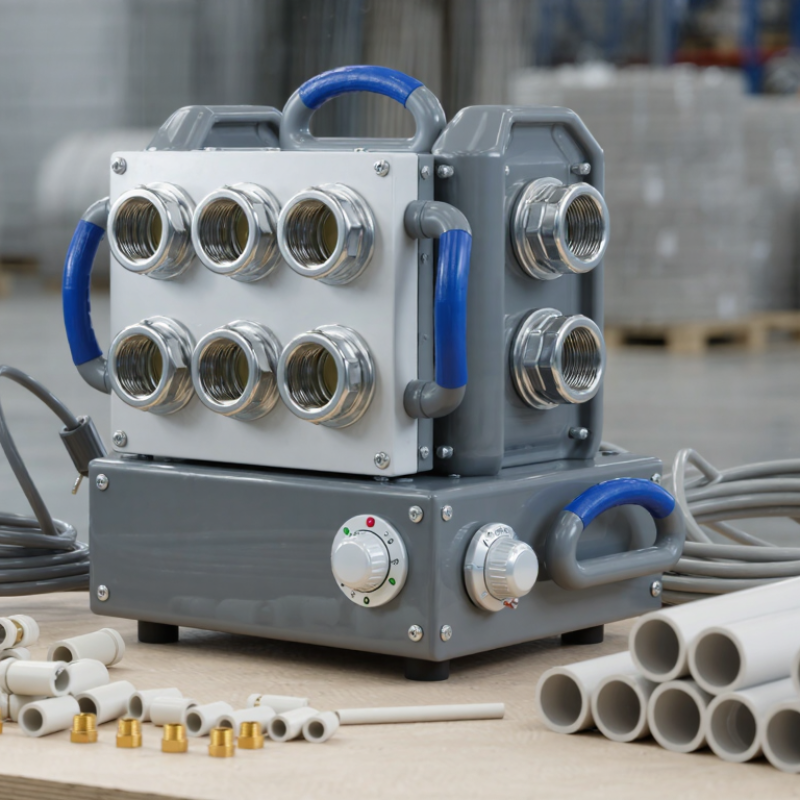
A Ppr Heater Machine is a compact socket-fusion tool for joining polypropylene random copolymer pipes and fittings. It uses electrically heated dies to soften matching surfaces, then creates a joint through controlled insertion and cooling. The process looks simple. The temperature is not.

ISO 15874 identifies polypropylene piping systems for hot and cold water installations. DVS 2207-11 also emphasizes controlled heating, clean surfaces, correct insertion depth, and stable cooling. These details matter because a dull heater face, uneven pressure, or rushed removal can produce a weak internal bead. A reliable machine usually includes thermostatic control, insulated handles, interchangeable heating sockets, and a clear temperature indicator. A workshop floor tells the story: dust on the socket, a loose cable, and one overheated fitting can change the result.

Grand View Research has reported continued growth in the global plastic pipes market, driven by construction, water infrastructure, and replacement demand. MarketsandMarkets has likewise identified polypropylene systems as important in plumbing and industrial applications. These reports indicate opportunity, but they do not replace installation discipline.

Dr. Tim A. Osswald, a recognized polymer-processing professor, states a useful principle: “Processing history controls polymer performance.” That idea applies directly to every Ppr Heater Machine. Heat must be measured, not guessed.

Some variables remain easy to overlook. Site temperature, pipe storage, generator stability, and operator practice can affect fusion quality. Manufacturers may publish similar temperature ranges, yet their machines may not behave identically. This guide examines how the equipment works, where failures begin, and why careful technique still matters.

What Is a PPR Heater Machine and How Does It Work?

PPR Heater Machines: Purpose and Role in PP-R Pipe Fusion

What Is a PPR Heater Machine and How Does It Work?

A PPR heater machine heats the ends of PP-R pipes and fittings before fusion. Its main purpose is to soften the polymer surfaces evenly. The softened layers then join under controlled pressure, creating one continuous connection. Unlike a mechanical coupling, this joint can maintain the pipe’s internal smoothness and reduce leak risks when prepared correctly.

Most machines use a thermostatically controlled heating plate with matching sockets. The operator cuts the pipe squarely, removes burrs, and cleans both surfaces. The pipe and fitting are pushed onto the heated tools for a specified time. A small, even melt bead should appear. Then, they are removed and pressed together without twisting. Alignment matters. A slight angle can restrict flow or stress the fitting.

For many PP-R systems, the working temperature is close to 260°C, but the project specification and tool instructions should control the setting. Pipe diameter, wall thickness, room temperature, and heating time all affect the result.

Dust, moisture, or excessive force can weaken the fusion. The joint must cool naturally and remain still during the early cooling period. This process looks simple, yet rushed removal is a common mistake. A brief inspection of bead size, alignment, and surface cleanliness can reveal problems before the pipe is installed.

Heating Plates at 260 ± 10°C Under DVS 2207-11 Guidelines

What Is a PPR Heater Machine and How Does It Work?

A PPR heater machine softens polypropylene random copolymer pipe and fitting surfaces before fusion. Its heating plates should reach 260 ± 10°C under DVS 2207-11 guidelines. This controlled heat creates a workable melt layer without burning the material. Built-in sensors monitor plate temperature, while thermostatic controls reduce sudden fluctuations. The operator should still verify the actual surface temperature with a calibrated thermometer.

Temperature is only one part of the process. The plates must be clean, dry, and free from damaged coating. Pipe ends need square cutting and careful alignment. When both surfaces contact the heated plates, a small, even bead should appear. Heating time depends on pipe diameter, wall thickness, and approved procedure tables. Do not rely on appearance alone.

Small errors matter. A cold workshop can slow heat transfer. Excessive pressure may push softened material away from the joint. Insufficient pressure can leave gaps. I have seen joints look neat while hiding poor alignment inside. That is why trained operators check plate condition, heating time, insertion depth, and cooling position. The machine does not correct careless handling. A stable 260 ± 10°C plate provides a reliable starting point, but workmanship remains decisive.

Pipe Preparation, Cutting, and Alignment Before Thermal Fusion

A PPR heater machine prepares polypropylene random copolymer pipes for thermal fusion. It heats matching pipe and fitting surfaces until they soften evenly. Before heating, careful preparation matters more than high temperature. A dirty or poorly cut pipe can create a weak joint, even when the heater works correctly.

Measure the required length and mark the pipe clearly. Use a sharp, suitable pipe cutter to make a square cut. A slanted edge can reduce the contact area during fusion. Remove burrs with a clean deburring tool, then wipe away dust and moisture. Do not scrape the pipe aggressively. Excessive removal may change its diameter. Check the fitting for cracks, deformation, or embedded dirt. Small defects are easy to miss.

Alignment should be checked before the heater touches the pipe. Place the pipe and fitting on the machine’s heating sockets without twisting them. Confirm that both parts enter to the recommended depth. Keep the pipe straight and supported, especially with longer sections. The preparation can feel slow. It prevents avoidable rework. Heating temperature, insertion depth, and cooling time should follow the equipment instructions and applicable technical standards. In field work, operators sometimes rush the alignment step. That mistake deserves attention, because a joint may look smooth while remaining internally stressed. Clean tools, steady hands, and a final visual inspection provide more reliable results.

What Is a PPR Heater Machine and How Does It Work? - Pipe Preparation, Cutting, and Alignment Before Thermal Fusion

Preparation or Machine Dimension Typical Real-World Value Purpose and Practical Guidance
Machine function Heats PPR pipe and fitting sockets for thermal fusion A PPR heater machine normally combines a thermostatically controlled heating plate with interchangeable male and female heating dies. Cutting and alignment are usually performed with separate preparation tools.
Common pipe size range Approximately 20–63 mm for handheld socket-fusion equipment Larger diameters generally require heavier heating equipment, dedicated clamping, and more controlled alignment procedures.
Heating temperature About 260°C for standard PPR socket fusion The exact setting should follow the pipe system specification and the applicable installation standard. Temperature stability is more important than simply reaching a high temperature.
Heating-system control Thermostat or electronic temperature controller The controller cycles the heater to maintain the target temperature. The heating surface should be clean and evenly coated to prevent material sticking.
Pipe cutting tool Ratchet pipe cutter, wheel cutter, or fine-tooth saw The cut should be square to the pipe axis. An angled cut reduces the effective contact area and can create an uneven fusion bead.
Cut-end inspection Clean, burr-free, and free from cracks or deformation Remove loose chips and burrs before heating. Do not use damaged pipe ends or parts contaminated with oil, grease, or dirt.
Surface cleaning Clean, dry, lint-free cloth Wipe the pipe exterior and fitting socket immediately before fusion. Avoid abrasive contamination and solvents that are not approved for the pipe material.
Insertion-depth marking Mark the manufacturer-specified socket insertion depth The mark helps prevent under-insertion, which may reduce joint strength, and over-insertion, which can restrict the internal flow passage.
Alignment before heating Pipe axis and fitting axis should be straight and concentric Use a guide, clamp, or alignment fixture when needed. Do not force a crooked pipe into the fitting during the heating or joining stage.
Heating sequence Pipe enters the female die; fitting socket enters the male die Both surfaces are heated at the same time. Keep the pipe and fitting aligned with the dies and avoid twisting during insertion.
Heating time Typically about 5–30 seconds for common 20–63 mm sizes The correct time depends on outside diameter, wall thickness, temperature, and the applicable joining instructions. Use the approved fusion chart rather than a single universal value.
Joining after heating Remove both parts and push them together axially Join promptly, without rotation, until the insertion mark reaches the fitting. Excessive force can cause an oversized internal bead.
Cooling and stabilization Hold stationary during initial cooling Avoid bending, twisting, pressurizing, or loading the joint until the specified cooling period has elapsed.
Fusion-bead inspection Continuous, uniform bead around the joint A consistent bead generally indicates even heating and insertion. Gaps, scorching, severe asymmetry, or visible contamination require evaluation and may require cutting out the joint.
Operator safety Heat-resistant gloves, eye protection, stable work area The heating plate can cause serious burns. Keep combustible materials away, use the machine on a stable surface, and disconnect power before changing dies or servicing the unit.
Values shown are typical guidance ranges. Always use the pipe manufacturer’s approved fusion procedure and the applicable local installation standard for the specific pipe diameter and wall thickness.

Socket Heating Times Determined by Pipe Wall Thickness and Diameter

What Is a PPR Heater Machine and How Does It Work?

A PPR heater machine softens the pipe and fitting surfaces before socket fusion. Its heated dies warm both parts at the same time. The installer then joins them with steady pressure. When the plastic cools, the joint becomes a continuous connection. Clean tools, stable temperature, and correct alignment matter greatly.

Socket heating times depend mainly on pipe wall thickness and outside diameter. Larger pipes usually have thicker walls, so they need longer heating periods. For example, a small 20 mm pipe may require only a few seconds, while a 63 mm pipe can need over 20 seconds. These figures are only practical references. The correct chart should match the pipe standard, diameter, wall classification, and heater temperature.

Wall thickness is often more important than diameter alone. Two pipes with the same diameter may need different heating times if their pressure classes differ. Cold workshops, wind, dirty dies, or repeated heating can also change results. Timing must begin when the pipe reaches the marked insertion depth, not when the machine is switched on.

Do not twist the softened pipe during insertion. A slight alignment error can narrow the water passage. A stopwatch helps. It is not perfect. Installers should inspect the formed bead around the joint and allow proper cooling before pressure testing. Thin, uneven beads deserve another look.

Joint Cooling and Quality Checks for ISO 15874-Compliant Systems

What Is a PPR Heater Machine and How Does It Work?

A PPR heater machine joins polypropylene pipes and fittings through controlled heat fusion. Its heated sockets soften the outer pipe surface and the fitting’s inner surface. The operator then connects both parts with steady pressure and correct alignment. Heat alone does not guarantee a reliable joint. Cooling control matters just as much.

For ISO 15874-compliant systems, the fused connection should cool without movement, bending, or external stress. A stable cooling period helps the softened material form a continuous joint. Experienced installers inspect the fusion bead, pipe insertion depth, surface cleanliness, and visible alignment. They also check the heating plate temperature with suitable instruments, rather than trusting a display blindly. A neat bead is reassuring, but it is not complete proof of quality. Installation records should include pipe size, heating time, ambient conditions, and operator observations. Small gaps in records can weaken confidence later.

Tips: Keep tools clean and dry. Cut pipes squarely. Avoid twisting during cooling. Reject joints with uneven beads, contamination, or poor insertion. Check the machine before work begins. Temperature variation may be easy to miss. That deserves reflection. A rushed connection can look acceptable while hiding internal weakness. When project requirements are strict, qualified personnel should verify procedures and test samples where appropriate.

↑