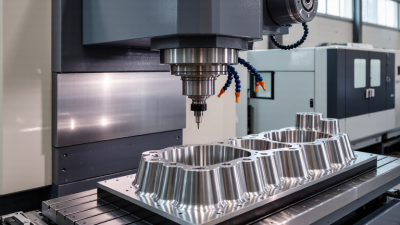
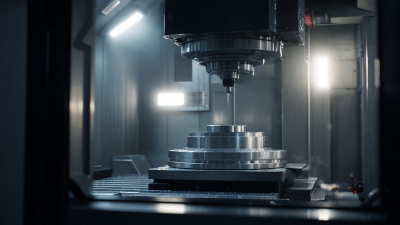
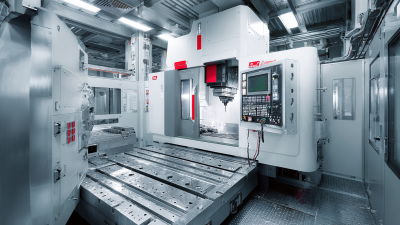
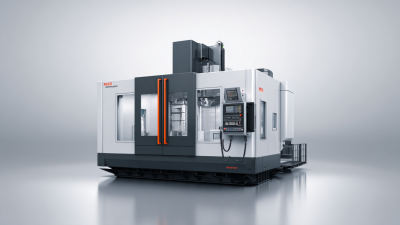
China’s five-axis machining sector serves aerospace, medical, automotive, and precision-tooling firms. A 5 axis milling machine can cut several faces in one setup, reducing repositioning and helping preserve dimensional relationships. Yet the machine’s advertised travel is only part of the story. Buyers should examine spindle performance, rotary-axis accuracy, controller usability, service response, and the ability to machine their actual materials.
Professor Yoram Koren, a manufacturing-systems scholar, has written about flexibility and integration in modern manufacturing. The following is a paraphrase of that broader perspective, not a verified direct quotation: “A capable machine creates value when its flexibility fits the production process.” That distinction matters. A complex machine may impress in a showroom, but a test cut tells buyers more. Watch how the tool approaches a deep pocket. Check chip evacuation. Ask how calibration and local technical support are handled.
This guide compares five Chinese manufacturers through practical buyer considerations, including product range, engineering capability, customization, and support. Company claims deserve careful checking. Specifications can look similar on paper. Real differences often appear in workholding, software workflow, delivery details, and the time needed to resolve a production issue. No ranking can replace a factory visit or a sample-part trial. That is a limitation worth admitting. Use the comparison as a starting point, then match each supplier’s strengths to your parts, tolerances, batch sizes, and budget.
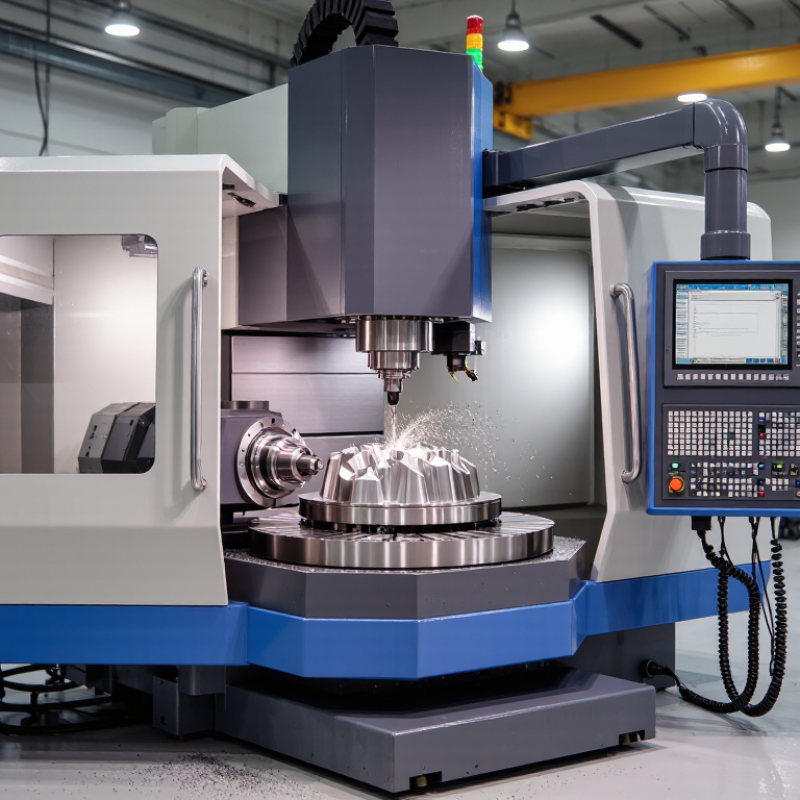
A five-axis milling machine manufacturer is defined by more than the number of axes on a specification sheet. Its engineering team must coordinate three linear movements with two rotary movements, so the cutting tool can reach angled surfaces with fewer setups. Good design keeps motion smooth and predictable, even when the machine cuts near the edge of its working envelope. That matters.
Look for evidence in practical details: published accuracy and repeatability figures, calibration procedures, spindle options, and clear guidance on workpiece size. A capable manufacturer should explain how thermal changes, machine geometry, and tool length affect results. They should also provide installation, operator training, and access to technical support. Ask how a sample part is tested, and whether the test reflects your materials and tolerances. A demonstration cut can reveal more than a glossy brochure.
Experience shows that no single machine suits every workshop. A compact model may save floor space but limit fixture access; a larger rotary table may add capacity and complexity. Some product pages make comparison difficult, and that is worth questioning. Reliable manufacturers answer specific questions with measured data, not broad promises, and are candid about where their machines perform best.
Axis configuration is a basic way to distinguish milling machine types. Five-axis machines combine three linear axes with two rotary axes; capable machines can coordinate all five axes during a machining operation.
The chart shows axis counts for common machine configurations, not a ranking of manufacturers or a comparison of specific models.
Evaluating China’s five-axis milling industry requires more than comparing spindle speeds or machine prices. Buyers should examine the machine’s kinematic layout, working envelope, and ability to reach complex surfaces without repeated setups. A compact aerospace impeller and a large mold place very different demands on axis travel and rigidity. The machine must also hold accuracy across its full working volume, not just near the center of the table. Numbers need context.
Credible evaluation looks for documented test methods, such as volumetric accuracy checks, repeatability results, and sample cuts in representative materials. Thermal stability matters during long shifts; ask how the builder manages heat from the spindle, motors, and workshop environment. Control software, collision safeguards, tool measurement, and postprocessor support affect daily use as much as the machine’s mechanical design. Service response and spare-parts access deserve practical questions, too. Ask for evidence.
Factory visits and trial machining can reveal details that brochures miss, including chip evacuation, operator access, and finish consistency. Still, one successful sample is not proof of long-term performance. Test criteria should match the buyer’s parts, tolerances, and production hours. No comparison is perfect; published specifications may use different measurement conditions, so careful verification remains essential.
China’s leading five-axis milling machine manufacturers serve aerospace, moldmaking, energy, and precision engineering. A strong supplier combines machine design, process knowledge, and dependable after-sales support. The machine must coordinate three linear axes and two rotary axes smoothly, even during complex toolpaths. Small details matter. Check rotary-table capacity, spindle speed, thermal control, and the machine’s ability to hold accuracy during long production runs.
When comparing five manufacturers, look beyond catalogue specifications. Ask each supplier to demonstrate a representative part, such as a deep cavity with angled surfaces and tight transitions. Review the cutting conditions, measured results, and inspection method. A live test is more useful than a polished video. Paper specifications are not enough. Also ask how quickly technicians can provide parts, troubleshooting, and training; downtime can outweigh a modest difference in purchase price.
The best fit depends on the work, not a ranking alone. Some manufacturers may offer strong value for general-purpose machining, while others focus on high-speed or heavy-duty applications. Request references from users with similar materials and production volumes. Even experienced buyers can overvalue accuracy figures measured under ideal conditions. Verify performance on your own part, and document the acceptance criteria before ordering.
When comparing five-axis milling machine manufacturers in China, focus on how each design suits your actual parts. Ask about rotary-axis accuracy, spindle speed, and thermal control under sustained cutting. A sample test using your material can reveal surface finish and tool-access limits. Brochure figures alone are not enough.
Compare product ranges, too. Some makers offer compact machines for smaller components, while others build larger platforms for heavy workpieces. Review controller options, probing systems, and available automation. Service matters just as much: check technician response times, spare-parts access, installation support, and operator training. Ask for maintenance records or calibration documentation where available. A polished demo may not reflect daily production; that detail is easy to overlook.
Tips: Bring a representative part drawing and cutting requirements to supplier discussions. Request a test cut, then inspect the machined surfaces and measured features. Compare the full service scope, not just the purchase price. A decision can still involve trade-offs, so record what remains uncertain before choosing.
Anonymized market comparison: the rows below describe common manufacturer capability profiles, not verified company-specific specifications or a confirmed ranking. Actual configurations, accuracy, service coverage, and options vary by model and contract and should be confirmed directly with the supplier.
| Profile | Typical machine focus | 5-axis technology | Common product range | Typical applications | Engineering and software support | Service considerations |
|---|---|---|---|---|---|---|
| 1. Mold and die specialist | High-speed machining centers configured for complex surfaces and detailed cavity work. | May offer simultaneous 5-axis machining or 3+2 positioning, depending on machine model and control configuration. | Vertical machining centers, trunnion-table machines, and selected compact 5-axis models. | Injection molds, die-casting dies, precision cavities, and surface finishing. | Toolpath and postprocessor support may be available; compatibility should be checked against the customer’s CAM system and machine configuration. | Confirm commissioning, operator training, spindle and rotary-axis warranty terms, and access to replacement parts. |
| 2. Heavy-duty gantry specialist | Large-workpiece machining with an emphasis on structural rigidity and extended working envelopes. | 5-axis capability may use a swiveling head, a rotary table, or a combined head-table arrangement. | Gantry and bridge-type machining centers, with configurations varying by workpiece size and required axes. | Large dies, industrial components, structural parts, and other bulky workpieces. | Project-specific layout, fixture planning, and process engineering may be offered for larger installations. | Assess installation requirements, foundation and logistics planning, on-site commissioning, and regional service response. |
| 3. Compact precision specialist | Space-efficient machines aimed at small-to-medium parts and flexible production cells. | Often configured around a rotary-tilting table; simultaneous machining is model-dependent. | Compact vertical machining centers and small-footprint 5-axis machining centers. | Precision components, prototypes, medical-device parts, and small complex components. | Ask for machine-specific accuracy test records, supported control options, and verified CAD/CAM postprocessors. | Check training availability, preventive-maintenance guidance, remote diagnostics, and the service coverage in the installation region. |
| 4. Aerospace and structural-parts specialist | Machining systems designed for complex parts and demanding process documentation requirements. | Simultaneous 5-axis operation may be available on selected models; axis travel, tool capacity, and cutting envelope are configuration-specific. | Vertical, horizontal, or gantry machining centers, selected according to part size and process needs. | Aircraft and aerospace components, structural parts, and complex aluminum or alloy workpieces. | Confirm process validation support, inspection documentation, control features, and the exact software and postprocessor scope. | Review acceptance-test procedures, service-level terms, maintenance support, and traceability documentation before purchase. |
| 5. Customized production-line specialist | Equipment supplied as part of a tailored machining cell or production-line project. | 5-axis configuration is selected for the application and may be integrated with automation where specified. | Application-specific machining centers, rotary-axis options, fixtures, and optional automation interfaces. | Repeat production, multi-operation machining, and processes requiring a customized equipment layout. | May include application engineering and integration planning; define interfaces, deliverables, and commissioning scope in the technical agreement. | Clarify responsibility for integration, operator training, spare parts, software updates, and ongoing technical support. |
Choosing a five-axis milling machine manufacturer starts with the parts you actually make. Bring sample drawings, materials, and tolerances to the technical discussion. Ask for a cutting trial on a comparable workpiece, then inspect surface finish, cycle time, and accuracy records. A brochure cannot reveal thermal drift. It matters.
Check how the manufacturer verifies positioning and rotary-axis accuracy. ISO 230-2 provides methods for testing machine-tool positioning accuracy and repeatability; request recent test results and clarify the measurement conditions. Also examine spindle specifications, work-envelope limits, tool-changing time, and control-system support. Grand View Research estimated the global CNC machine market at US$83.99 billion in 2023, with projected annual growth of 5.5% from 2024 to 2030. That broad market figure signals investment, but it does not prove any individual machine will suit your process.
Service capability deserves equal scrutiny. Ask how quickly technicians can respond, which spare parts are stocked locally, and whether operators receive hands-on training. Check references from users machining similar materials, not just similar-looking components. A factory visit helps: watch a rotary table run under load and ask how calibration changes after installation. I would still leave room for doubt; one successful demo is not long-term proof. Request an acceptance plan covering accuracy, cutting performance, and support commitments before comparing quotations.